
In the late 1980s, researchers began using the term cognitive reserve to explain a puzzling phenomenon: some individuals showed no signs of dementia during life, yet postmortem examinations revealed brain changes consistent with Alzheimer’s disease. How could this be?
According to experts, the answer lies in cognitive reserve. These individuals never experienced noticeable symptoms because their brains had enough reserve to compensate for the underlying disease. In essence, their brains were able to work around the damage.
Harvard Medical School has identified six core behaviors that help build and maintain cognitive reserve, significantly improving cognitive fitness both now and in the future:
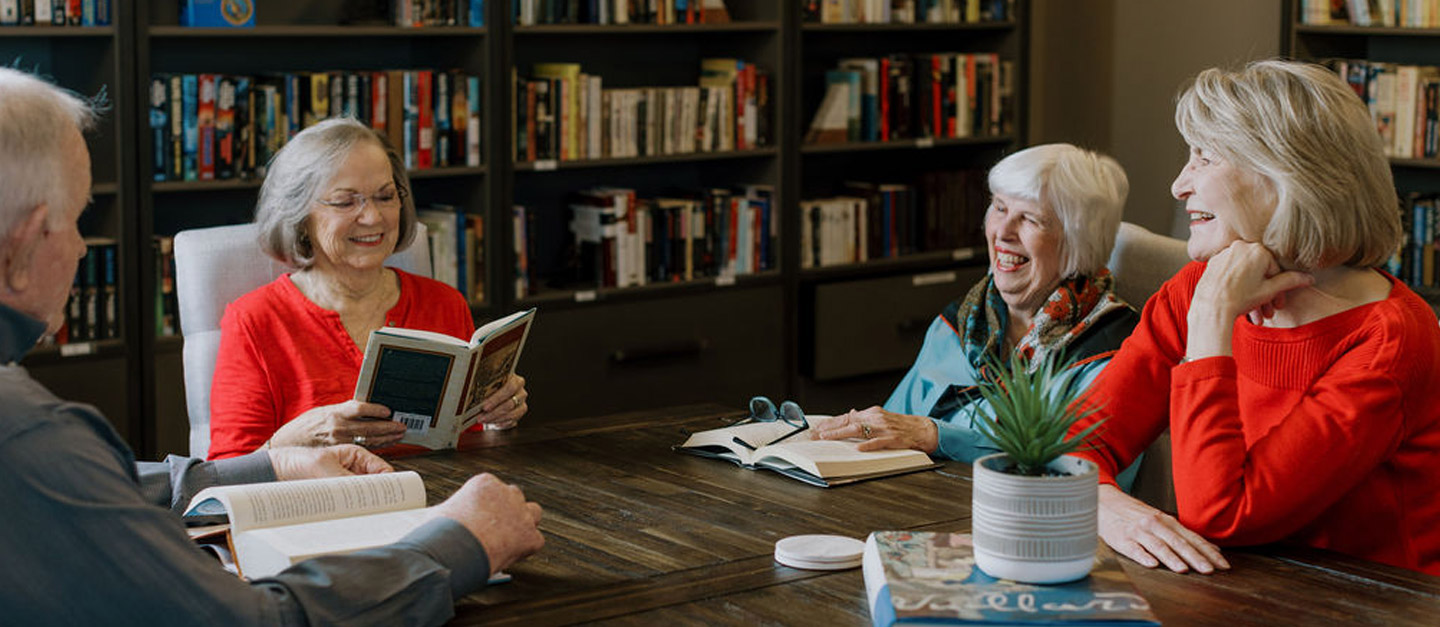
While none of these recommendations may be surprising, together they form the foundation of a healthy lifestyle—physically, emotionally, and cognitively. Building cognitive reserve requires daily habits and attitudes that support learning and mental flexibility. Some people assume this means enrolling in formal classes, but meaningful learning can be easily woven into everyday life. Taking a different route home, researching a topic of interest, reading a book, learning a new language, playing an instrument, or watching a documentary all stimulate planning and problem-solving. Volunteer work is especially powerful, as it combines cognitive engagement with purpose and social interaction—making it particularly valuable for older adults.
Further reinforcing this hopeful message, The Lancet published a landmark article in 2024 titled Dementia prevention, intervention, and care, estimating that up to 45% of dementia cases could be prevented or delayed. The article highlights key modifiable risk factors, including physical inactivity, depression, and social isolation.
Advocates for community living note that senior living environments naturally reduce many of these risks by offering built-in opportunities for movement, social connection, and mental stimulation—advantages that can be harder to sustain when living alone.
Ultimately, understanding cognitive reserve offers hope to those who may have believed family history to be the primary determining factor.